
Discover minimally invasive,
robotic-assisted surgery
A minimally invasive surgical option
with your surgeon in control
Are there different kinds of surgery?
Yes. Traditional open surgery, where your surgeon operates through a long incision (cut), may be the first method that comes to mind. However, you may be a candidate for minimally invasive surgery, which requires just one or a few small cuts.
Open surgery
Surgeons make incisions large enough to see the entire surgery area and perform the procedure using hand-held tools.
Minimally invasive surgery includes:
Traditional laparoscopic surgery
Surgeons perform laparoscopic surgery using special long-handheld tools while viewing magnified images from the laparoscope (camera) on a video screen.
Robotic-assisted surgery
While the word “robotic” is in the description, a robot doesn’t perform surgery. Your surgeon is the one performing surgery using the Robot and instruments.
Why your doctor may recommend
robotic-assisted surgery
Just as technology, such as MRI and CT scanners, enhances doctors’ skills beyond what the human body allows, robotic-assisted surgery extends the capabilities of a surgeon’s eyes and hands.
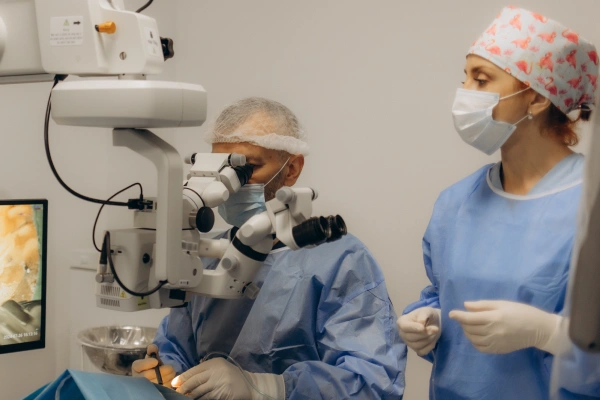
Stays with you in the operating room and uses his or her hands to control a camera and surgical instruments to perform the procedure.

Views the entire operation in 3DHD, giving your surgeon a clear view of the surgical area that is magnified 10 times to what the human eye sees.
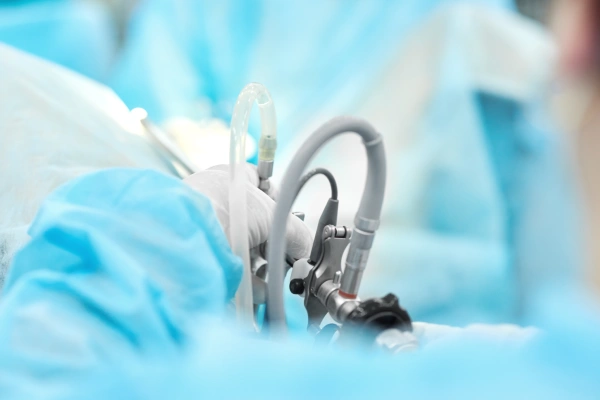
Uses tiny instruments that move like a human hand but with an even greater range of motion. The system’s built-in tremor-filtration technology helps your surgeon move each instrument with smooth precision.
What is the Robotic system?
It is a surgical system with three parts:
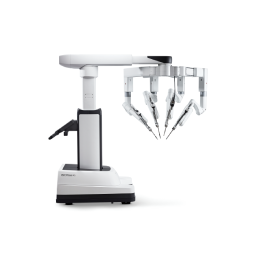
Patient cart
Holds the camera and surgical instruments your surgeon controls from the console.
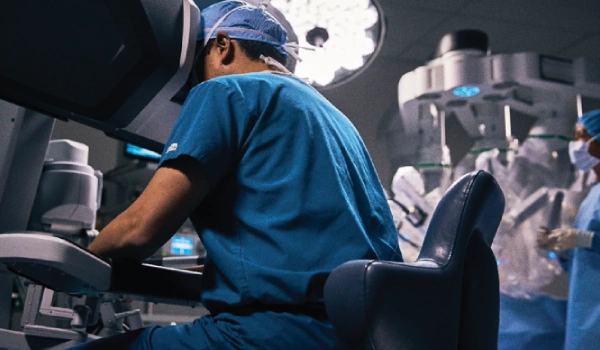
Surgeon console
Is the control center where your surgeon sits to perform the operation.
Vision cart
Manages the communication between all the system components and provides a screen for the care team to view the operation.
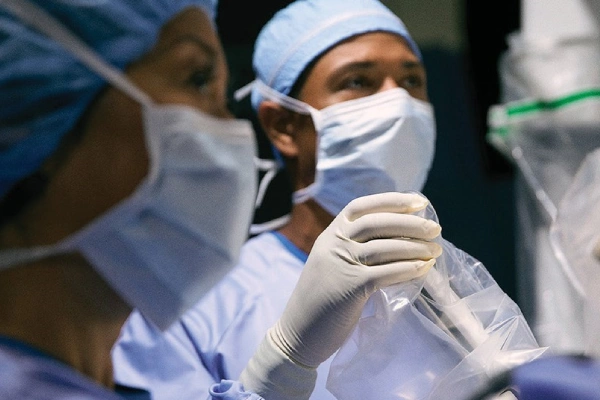

Care team
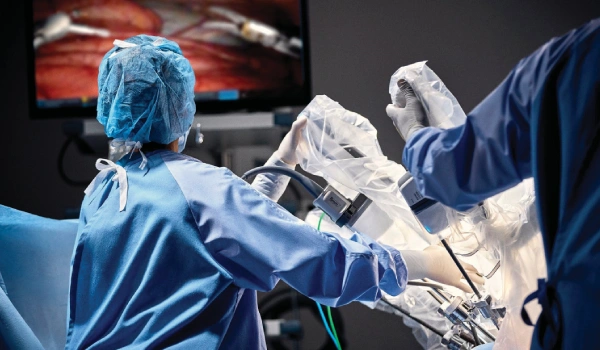
There are several people in the operating room during a robotic-assisted procedure. Each person is part of your care team and plays an important role in your surgery.
Call for Appointments
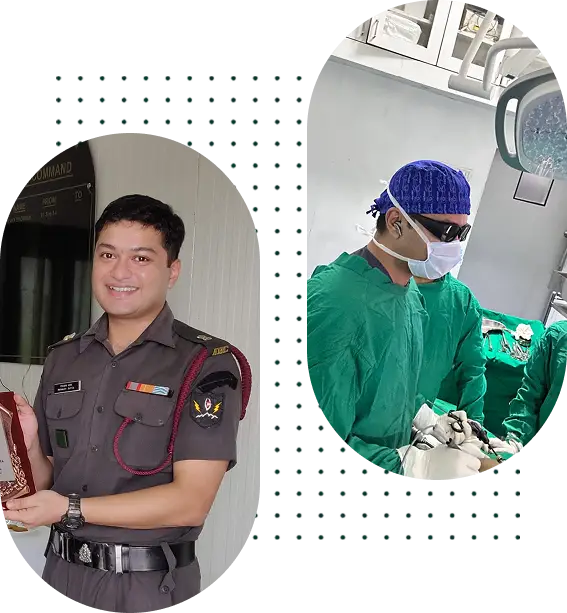
Begin your treatment journey with expert care. Schedule your appointment with Kolkata’s esteemed cancer specialist Dr. (Maj) Ranajoy Dutta today.
Procedures
When recommended by your surgeon, the system can be used for these procedures:

Cardiac
- Coronary artery bypass grafting (CABG)
- Mitral valve repair

Colorectal
- Colon resection
- Rectal resection

General surgery
- Bariatric (weight-loss) surgery
- Gallbladder surgery
- Hernia repair

Gynecology
- Endometriosis resection
- Benign hysterectomy
- Hysterectomy for cancer
- Fibroid removal (myomectomy)
- Pelvic organ prolapse

Head and neck
Benign base of tongue resection

Thoracic
Lung surgery

Urology
- Kidney blockage surgery
- Kidney surgery
- Prostate surgery
Hernia Repair Surgery
Cholecystectomy Surgery

What are the outcomes?
Be sure to talk with your surgeon about the surgical outcomes he or she delivers by using Robotic systems, as every surgeon’s experience is different. For example, ask about:
There are additional outcomes of surgery that you may want to talk with your doctor about. Please ask him or her about all important outcomes of surgery.
Fill The Form
Contact Form

Make Appointment &
Take Care Of Your
Healthy Life
How can you prepare for surgery?
One way to learn more about your surgery is to ask your doctor and care team questions.
- What medical and surgical options are available for me?
- Which is best for my situation?
- What are the differences between open, laparoscopic,
and robotic-assisted surgery? - If you suggest I have surgery, how should I prepare for it?
- Should I get a second opinion?
- What am I likely to experience after surgery
- What is your surgical training and experience?
- What is your experience with robotic-assisted surgery?
- What are your patient outcomes?
Frequently asked questions
Does the robot perform surgery?
No. Your surgeon performs surgery. The robotic system translates every hand movement your surgeon makes in real time to bend and rotate the instruments with precision.